Mechanics’ liens can be a valuable tool in Arizona construction payment disputes, but they are also highly timing-sensitive. A strong underlying claim can still lose leverage if the notice, documentation, or filing process is handled poorly. For contractors, subcontractors, and suppliers, the most common problems often begin well before anyone thinks a lien will be necessary.
1. Waiting too long to evaluate lien rights
One of the most common mistakes is assuming the payment issue will work itself out and waiting too long to assess whether lien rights may exist. That delay can narrow options quickly. Even when the parties are still talking, it is important to evaluate deadlines early and understand what claim-preservation steps may be required.
2. Treating documentation as an afterthought
Lien-related disputes often turn on the project record. Contracts, change documentation, invoices, delivery records, communications, and payment history can all matter. When the supporting materials are incomplete or disorganized, it becomes more difficult to evaluate the claim and respond strategically if the dispute escalates.
3. Overlooking notice and timing requirements
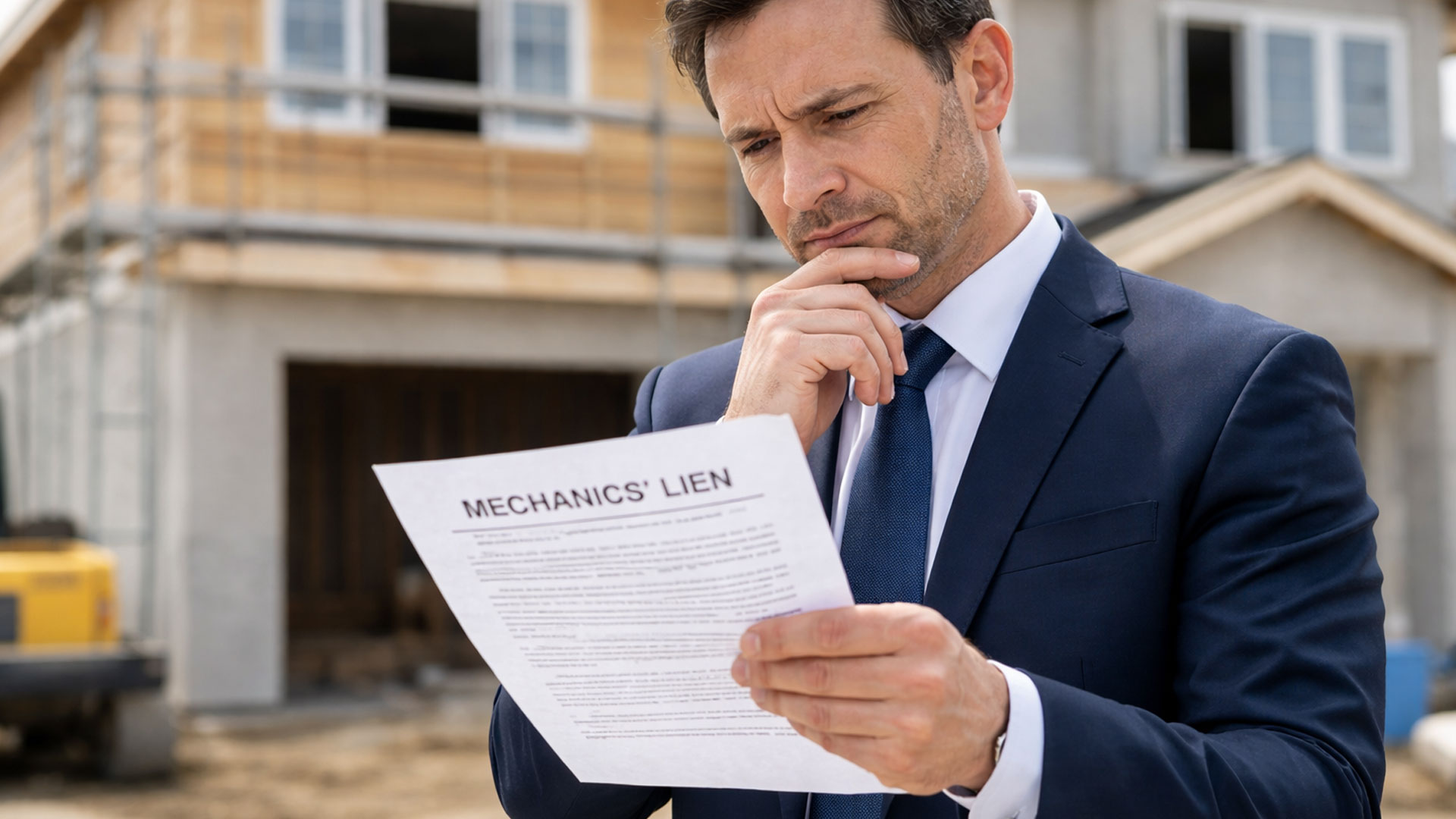
Mechanics’ lien rights depend on strict compliance with timing and notice requirements. Missing a deadline, serving the wrong party, or failing to follow the required process can materially weaken the claim or eliminate the remedy altogether. That is why early attention to procedure is often just as important as the amount in dispute.
On lien matters, a missed procedural step can do more damage than a weak negotiation position.
4. Ignoring the contract while focusing only on the unpaid balance
Many lien disputes are shaped by contract terms involving scope, payment applications, retainage, change orders, and dispute procedures. A practical lien analysis should be tied to the broader contract framework. Clients often benefit from reviewing both the lien remedy itself and the surrounding construction law and contract issues that may affect leverage.
5. Failing to coordinate lien strategy with other available remedies
A mechanics’ lien may be only one part of the larger construction dispute. Depending on the project, payment bond remedies, surety issues, litigation strategy, or negotiated resolution may also need to be evaluated. That is why lien questions are often best considered alongside the firm’s Mechanics’ Liens & Bond Claims page, our Construction Litigation page, and, when bond issues are involved, our Surety and Construction Bond Disputes page.
6. Waiting until leverage is already gone
Once deadlines have passed or the project record has hardened in an unfavorable way, options can narrow quickly. Early review does not necessarily mean immediate litigation, but it can help preserve rights, clarify the claim, and improve the client’s position if payment discussions fail. Arizona clients dealing with lien-related issues may also benefit from the construction-focused perspective of Chase E. Halsey.
Protect the lien claim before timing becomes the problem.
Cordier Halsey advises Arizona construction clients on mechanics’ liens and bond claims, related construction disputes, and the contract and documentation issues that often shape recovery.
Schedule A Consultation Back To Insights